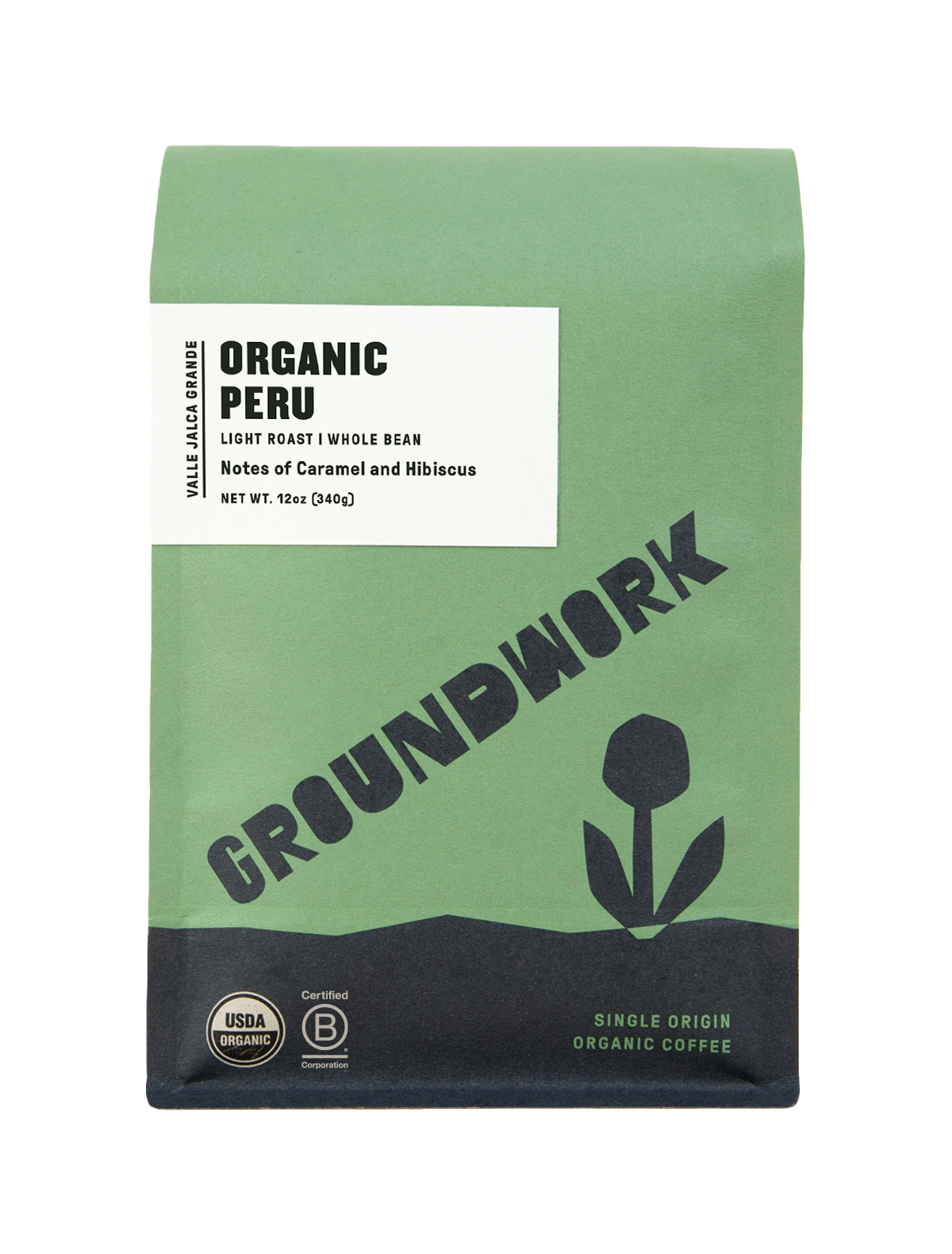
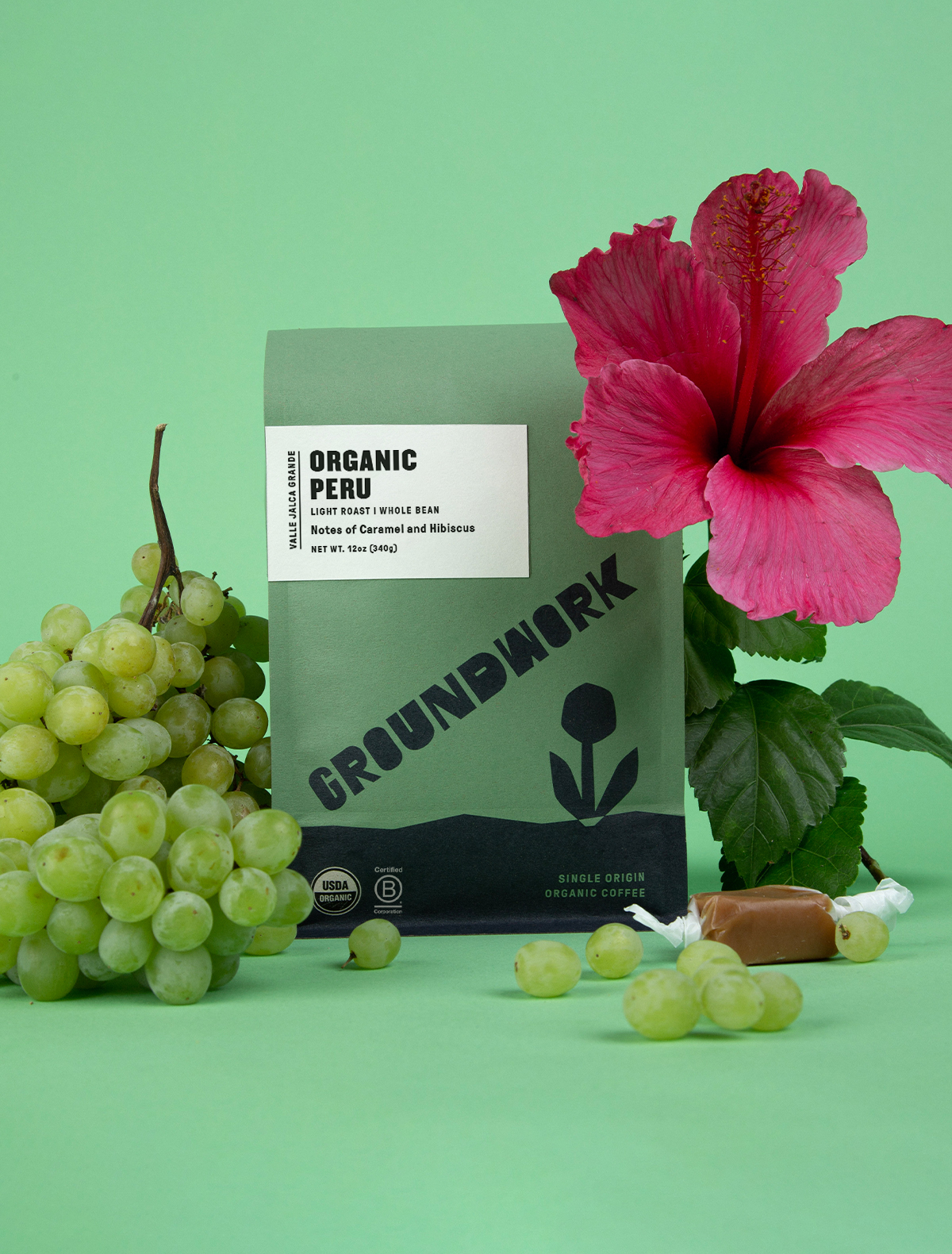
Peru - CECOVASA
Key Descriptors: tamarind, orange blossoms, caramel, almond extract.
In The Cup: Notes of almond extract, tamarind, and orange blossoms permeate this well structured cup. These delicate notes are rounded out by a nice level of acidity, a silky mouthfeel, and hints of chocolate covered cherries.
This
lot of coffee comes from a dozen smallholder producers in San Pedro de
Putina Punco on the Eastern slopes of the Andes Mountains in Southern
Peru. These producers belong to the Tupac Amaru and San Ignacio
producer's cooperatives that are part of the Central Agricultural
Cooperative of the Valleys of Sandia (CECOVASA). In 1970, five co-ops
who wanted to directly export their coffee, obtain higher prices, and
utilize cost sharing formed CECOVASA. Currently, CECOVASA represents 8
co-ops with 4581 producers who cultivate coffee within the valleys of
Sandia, Puno province, Cuzco portion of Peru.
The smallholder producers throughout Puno are indigenous Aymara and Quechua people who have lived for generations in the highlands of the Sandia Valley where the fertile soils are ideal for growing coffee. These rural communities are focused on preserving their local environment, traditions and culture. They hope to create a stable economy through sustainable production chains, fair wages, and a quality product. CECOVASA, a producer run co-op, has committed to ongoing farm training which promotes natural agricultural practices and to developing cupping labs at the local co-ops in order to monitor the coffee quality during each step of the process. These smallholder farmers process their coffee on their farms. The beans are manually de-pulped from their cherry with hand-crank de-pulping machines, fermented in small plastic tanks, washed by hand and then laid to dry on patios in the sun.